
February 8, 2026
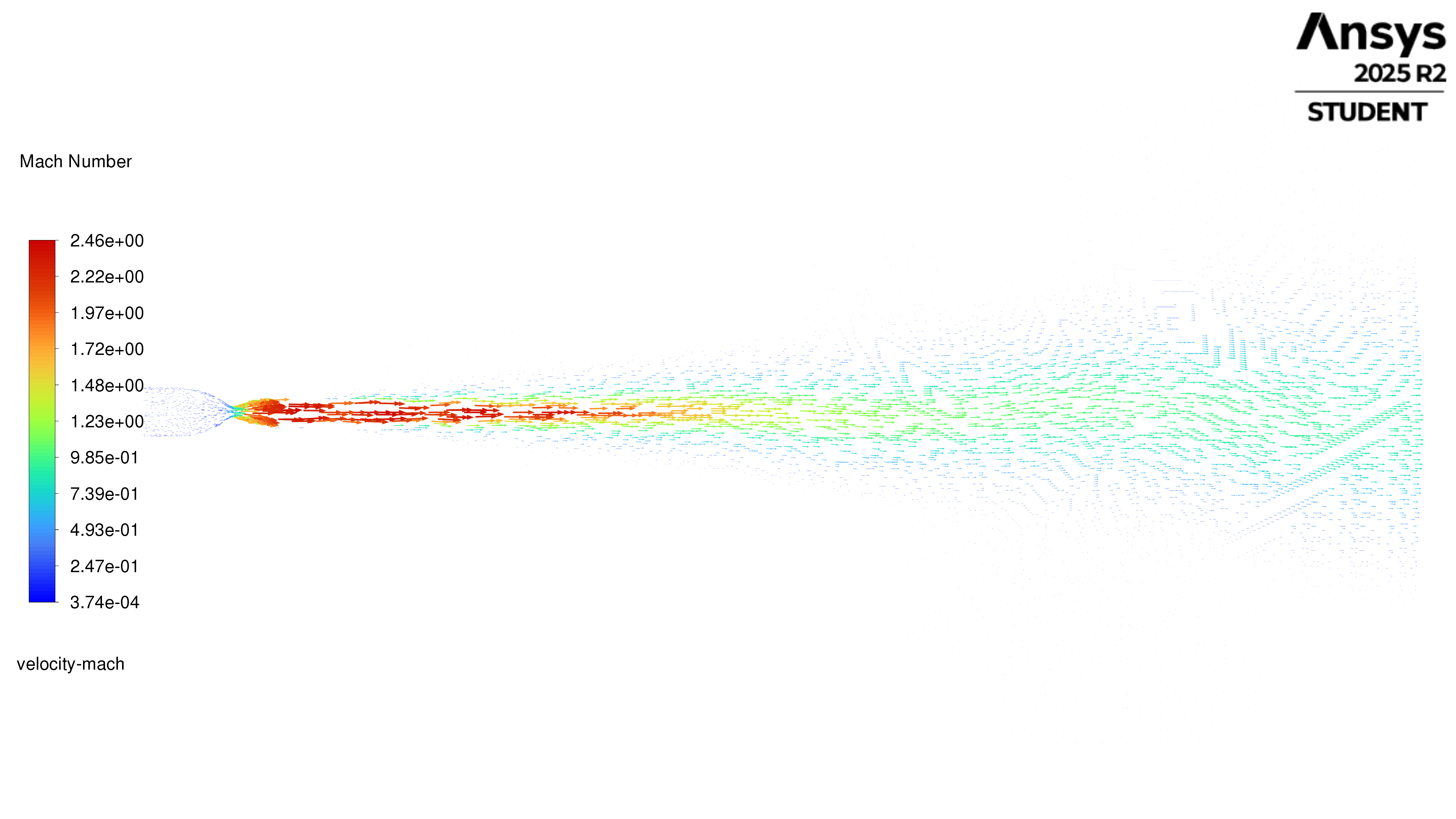
After establishing the thermal design with regenerative and film cooling, the next step is to validate the nozzle flow behavior under realistic operating conditions by transient CFD simulation. During …
Read More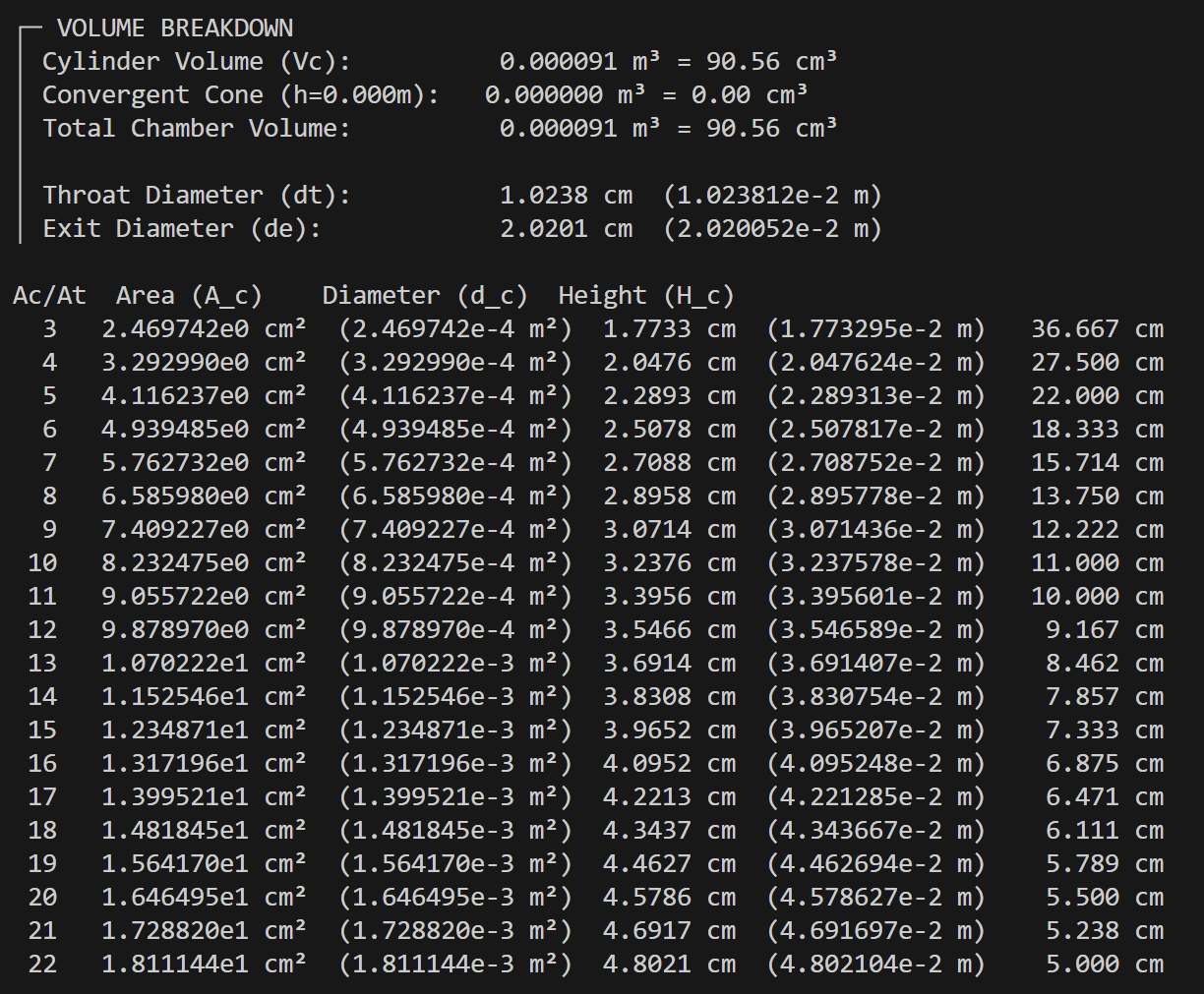
February 5, 2026
After completing the V1.0 design with 150 N thrust, thermal analysis revealed a problem which the engine was too small for effective regenerative cooling. This entry documents the transition to V1.1. …
Read More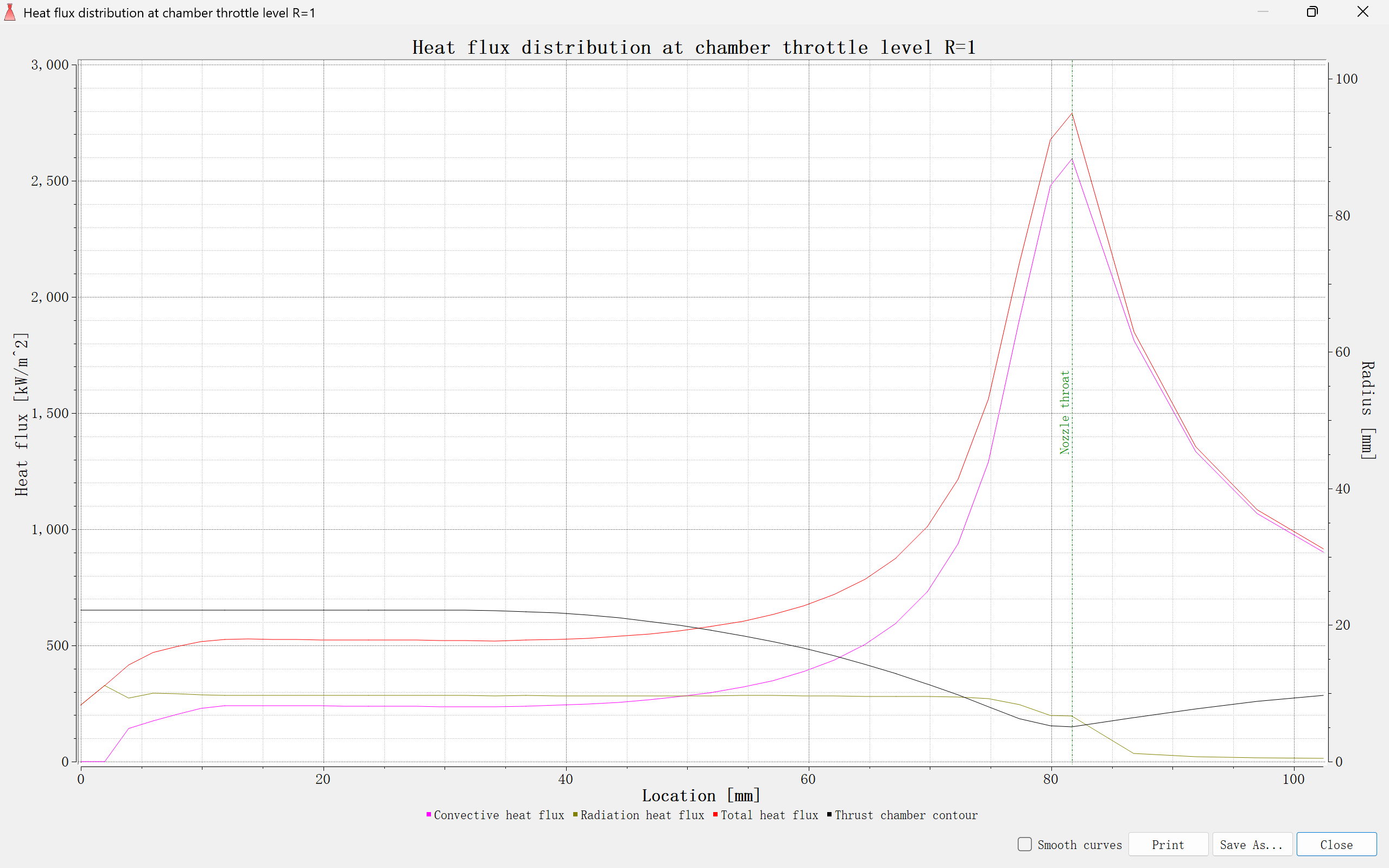
February 4, 2026
The previous regenerative cooling optimization reached a critical limitation were even with optimized channel geometry, throat wall temperatures remained around 950 K. The fundamental issue is heat …
Read More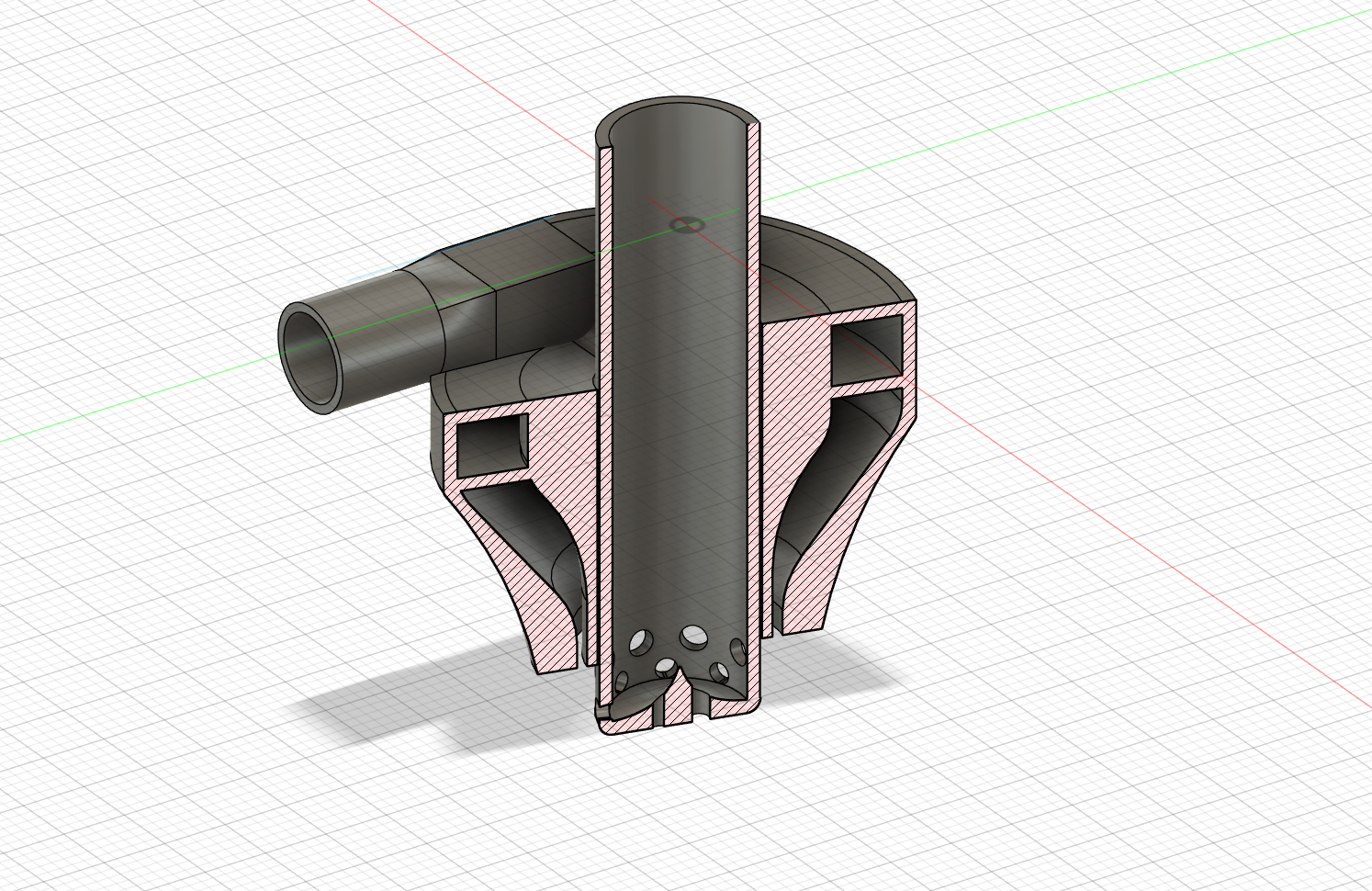
February 1, 2026
The injector is arguably the most critical component of a liquid rocket engine. It must meter propellant flow, atomize liquids into fine droplets, and ensure uniform mixing across the combustion …
Read More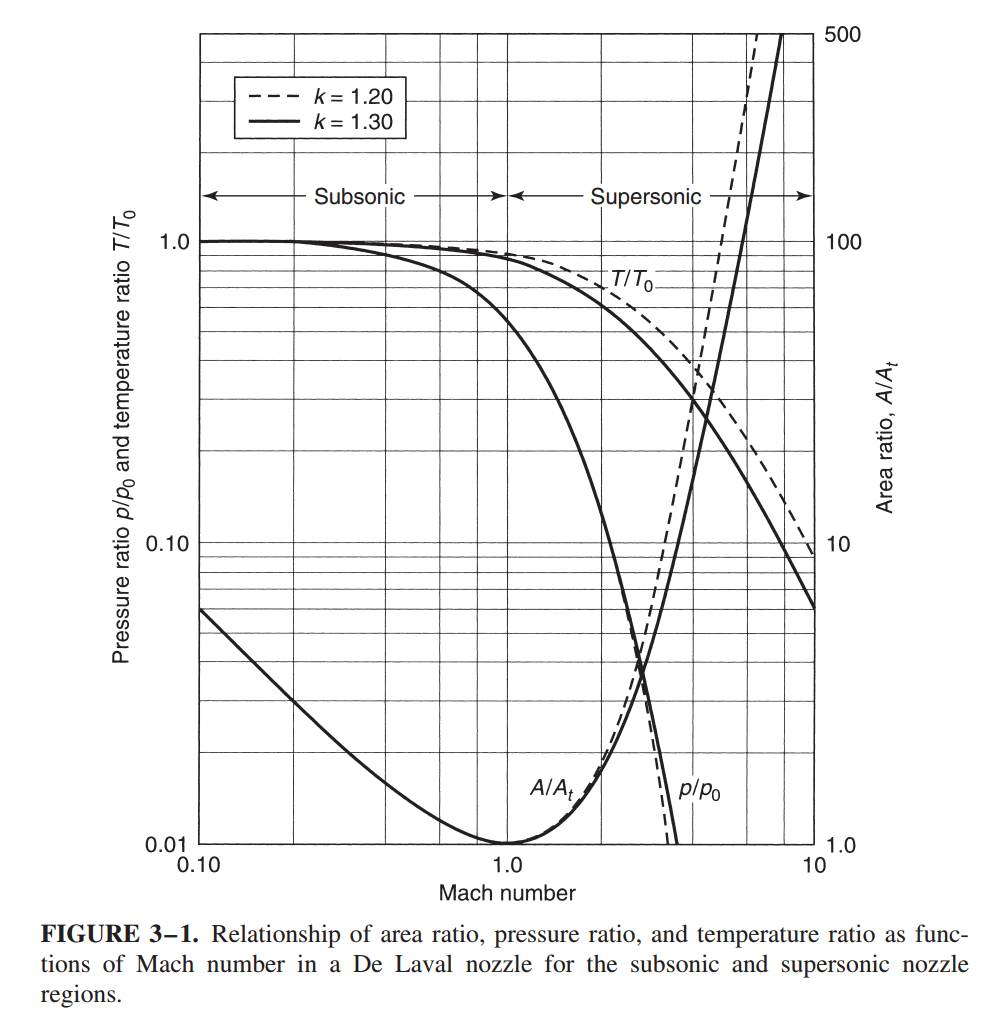
January 14, 2026
While L* defines the characteristic residence time, the contraction ratio $A_c/A_t$ (chamber area to throat area) fundamentally shapes the combustion chamber’s physical dimensions. This …
Read More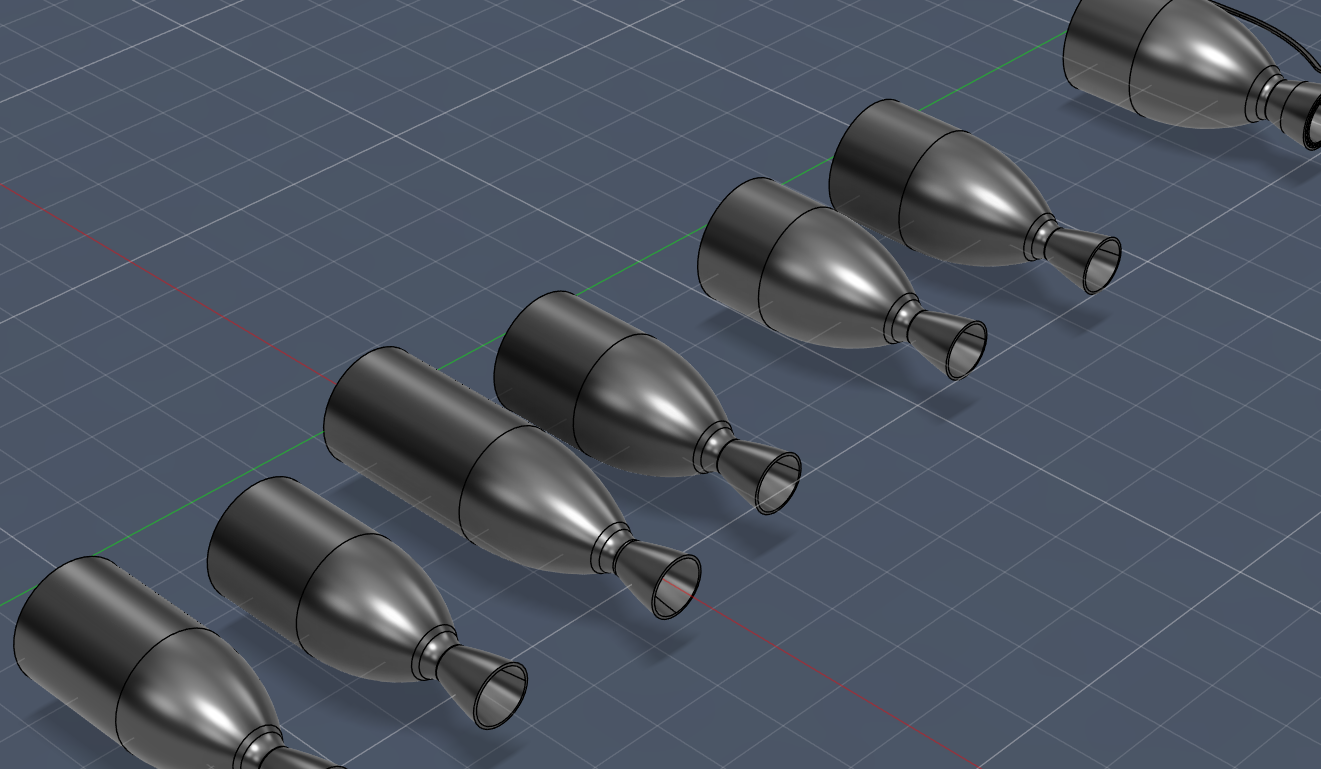
January 7, 2026
Characteristic Length (L*) Analysis A critical parameter in combustion chamber design is the characteristic length L*, which directly affects combustion efficiency and chamber geometry. L* represents …
Read More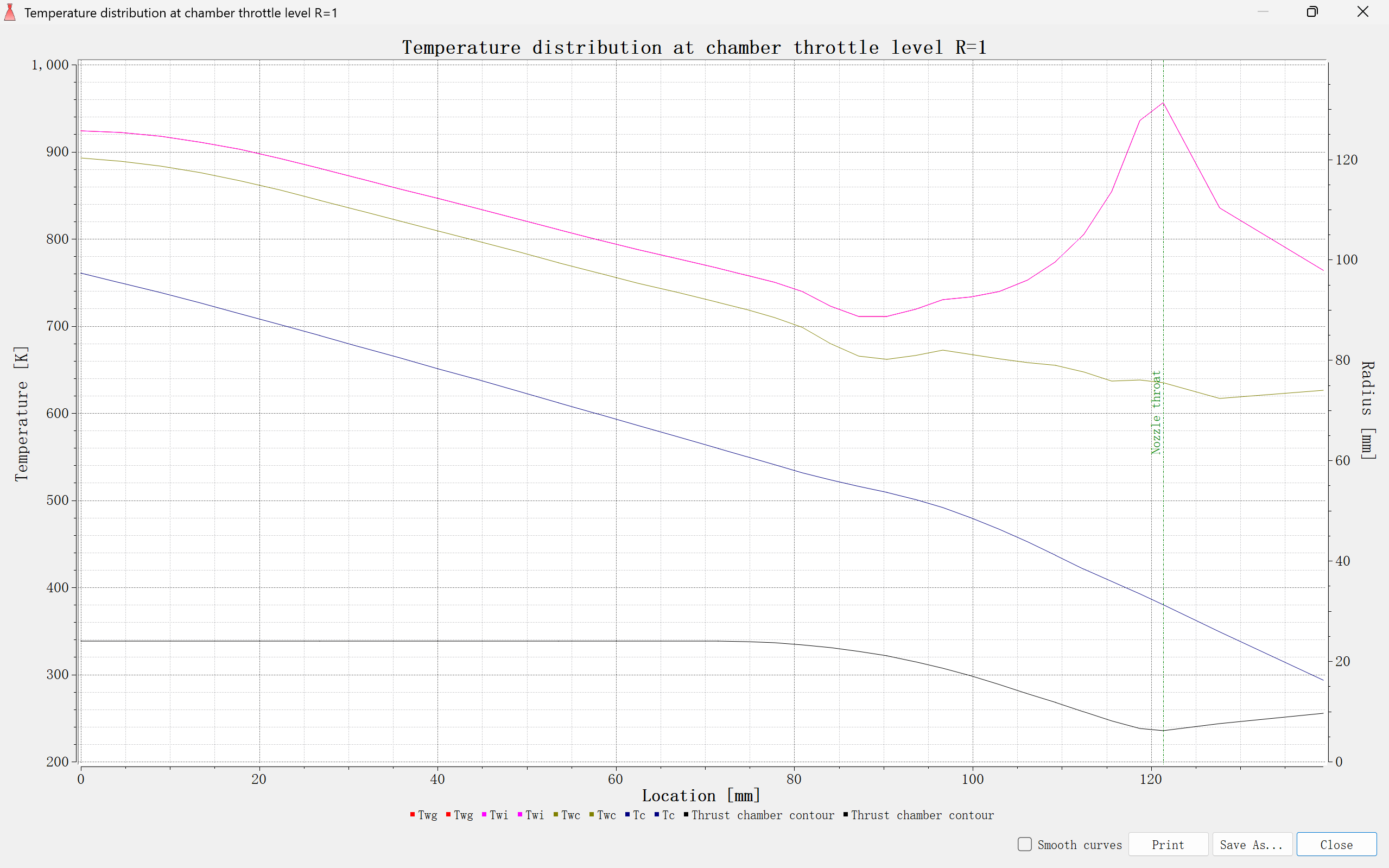
December 28, 2025
This entry documents the regenerative cooling optimization process using RPA (Rocket Propulsion Analysis). The goal was to design coolant channels that keep the chamber and throat walls within …
Read More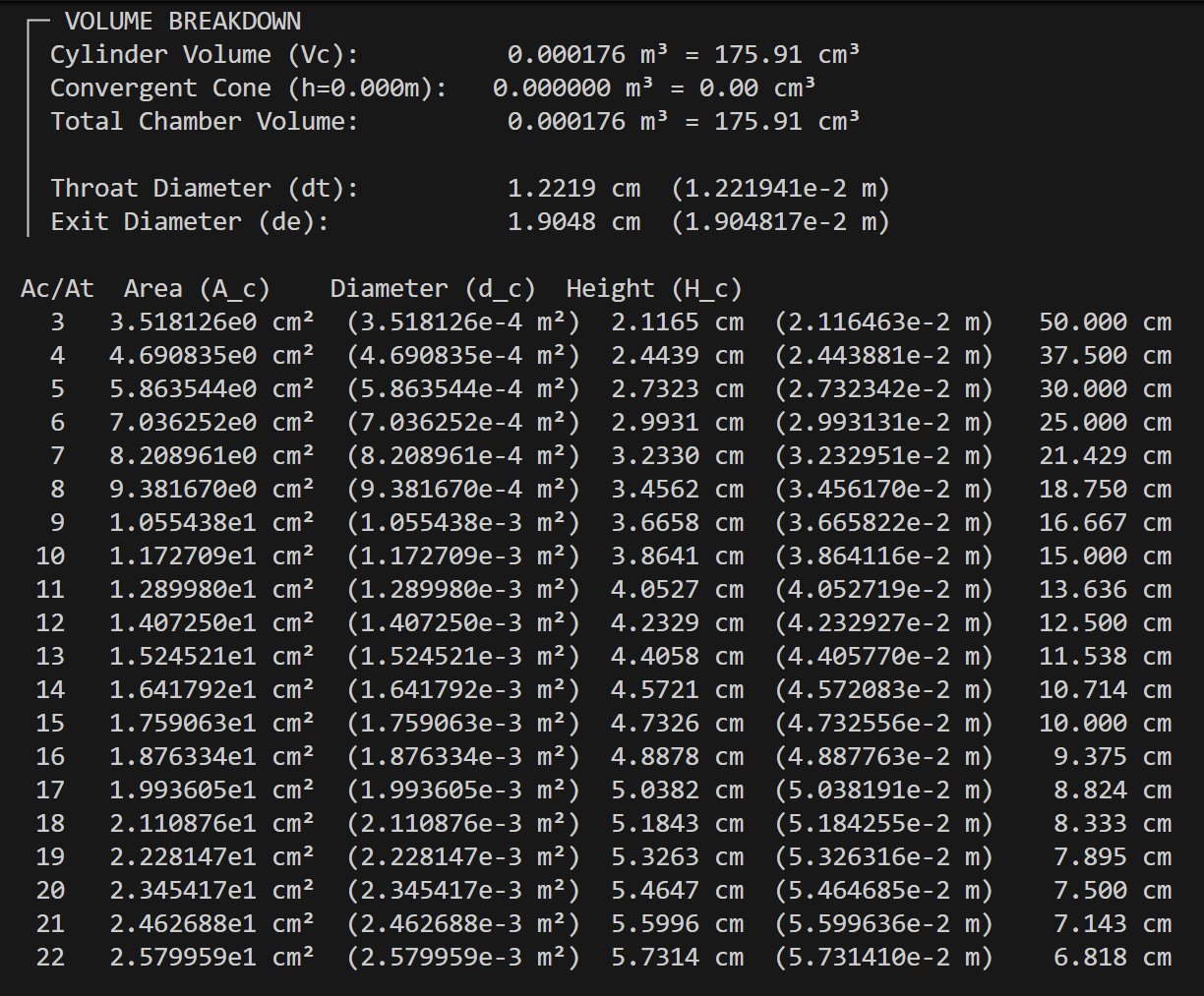
December 20, 2025
This entry records the basic size calculation for a 150 N thrust, 10 bar chamber pressure, GOX/ethanol engine. This is a very small size, and we are still evaluating its manufacturing feasibility. …
Read More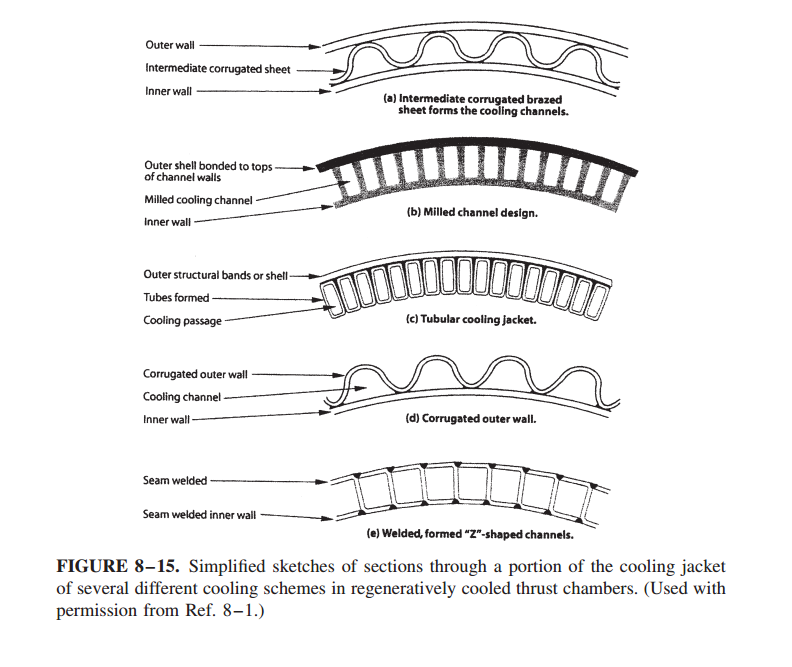
December 9, 2025
Combustion temperatures in rocket chambers exceed 3000 K, while aluminum melts at 930 K, stainless steel loses strength above 1000 K, and copper alloys fail around 1300–1500 K. Without cooling, the …
Read More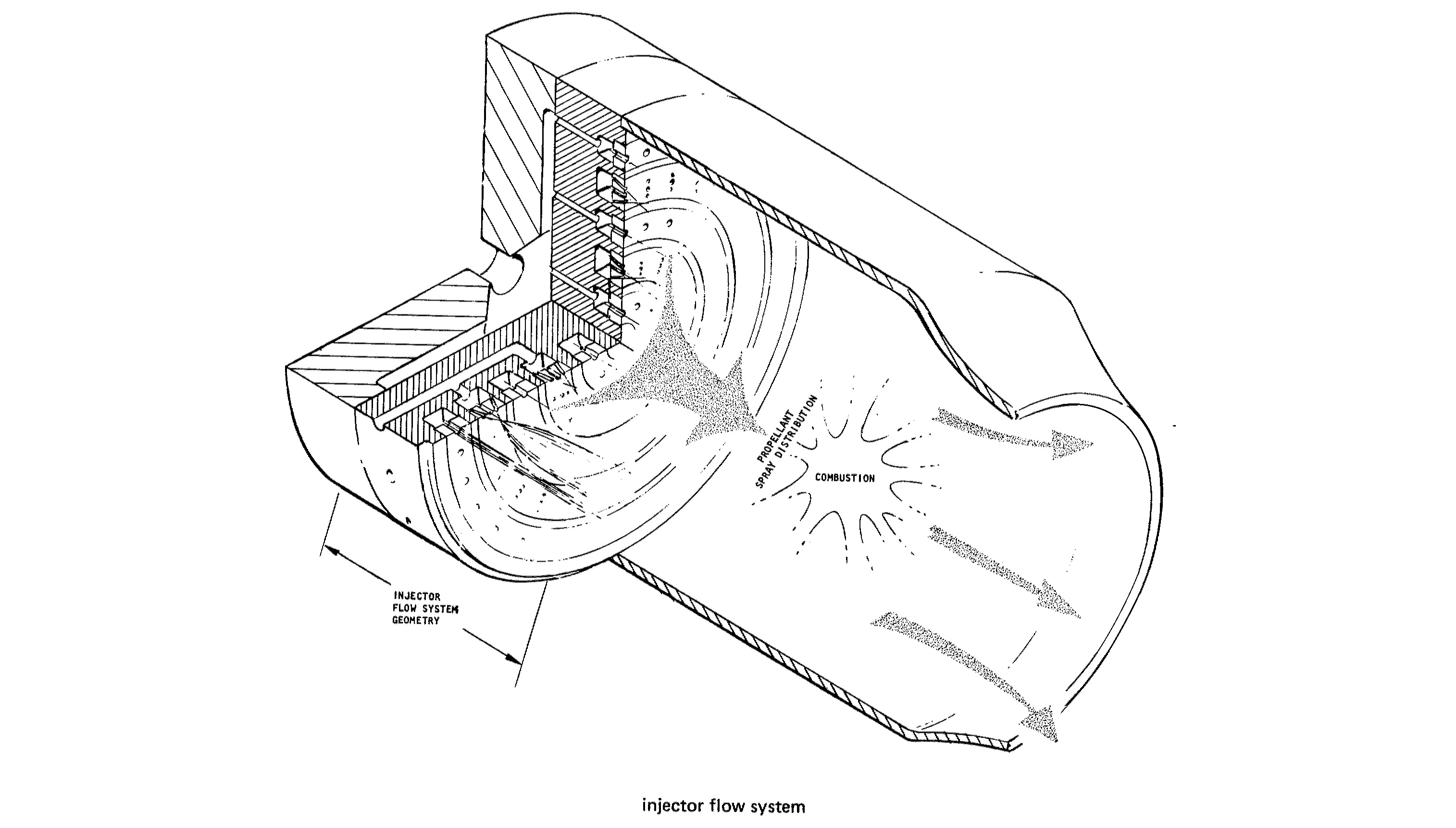
November 23, 2025
When studying injector design, an interesting question arises: why are most injectors designed for subsonic flow rather than supersonic? At first glance, supersonic gas injection seems advantageous—it …
Read More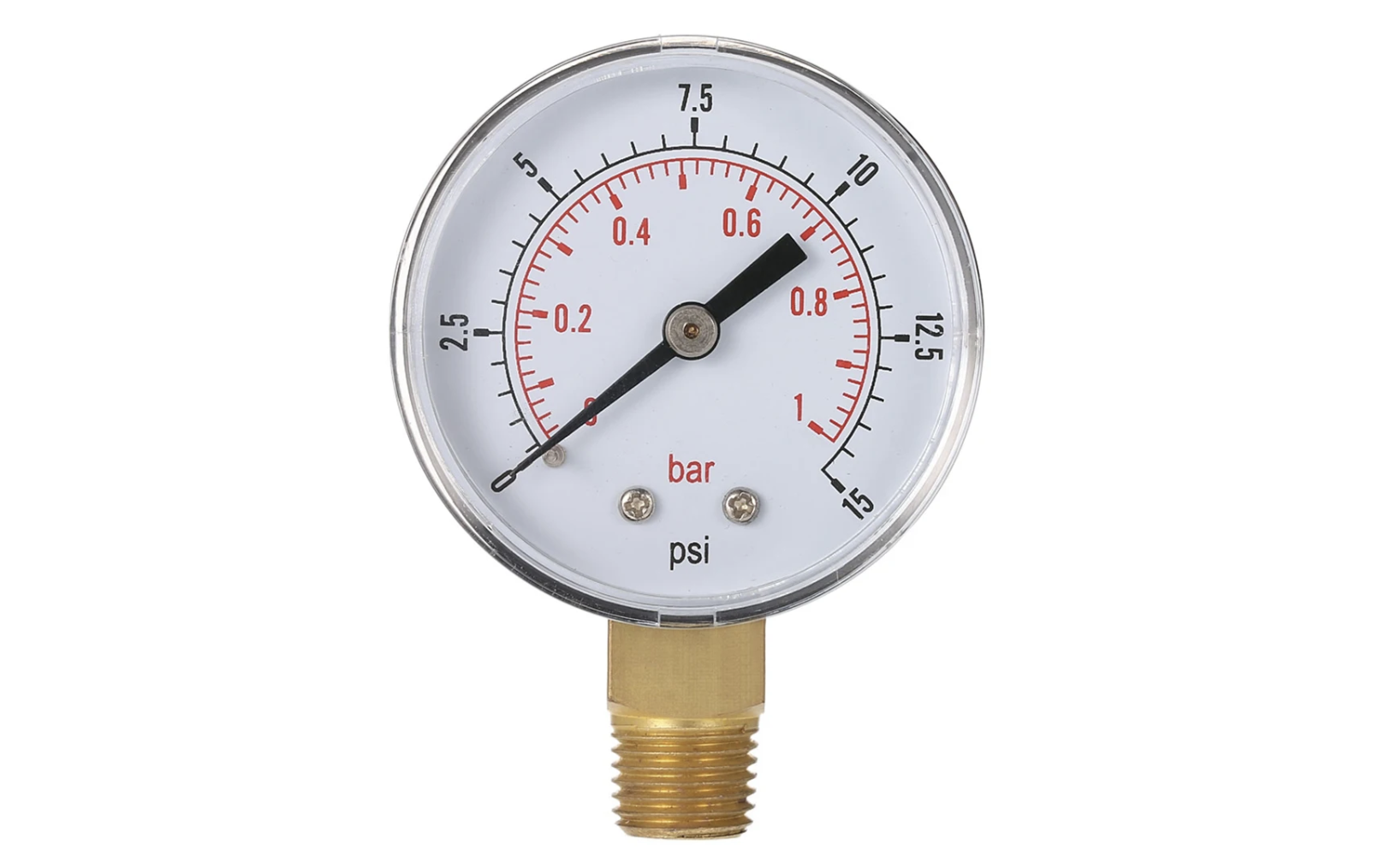
November 6, 2025
Delta-P, pressure drop, is perhaps the most critical, important, and complex part of the entire rocket engine. In Sutton & Biblarz, Delta-P is everywhere: across the injector, through the feed …
Read More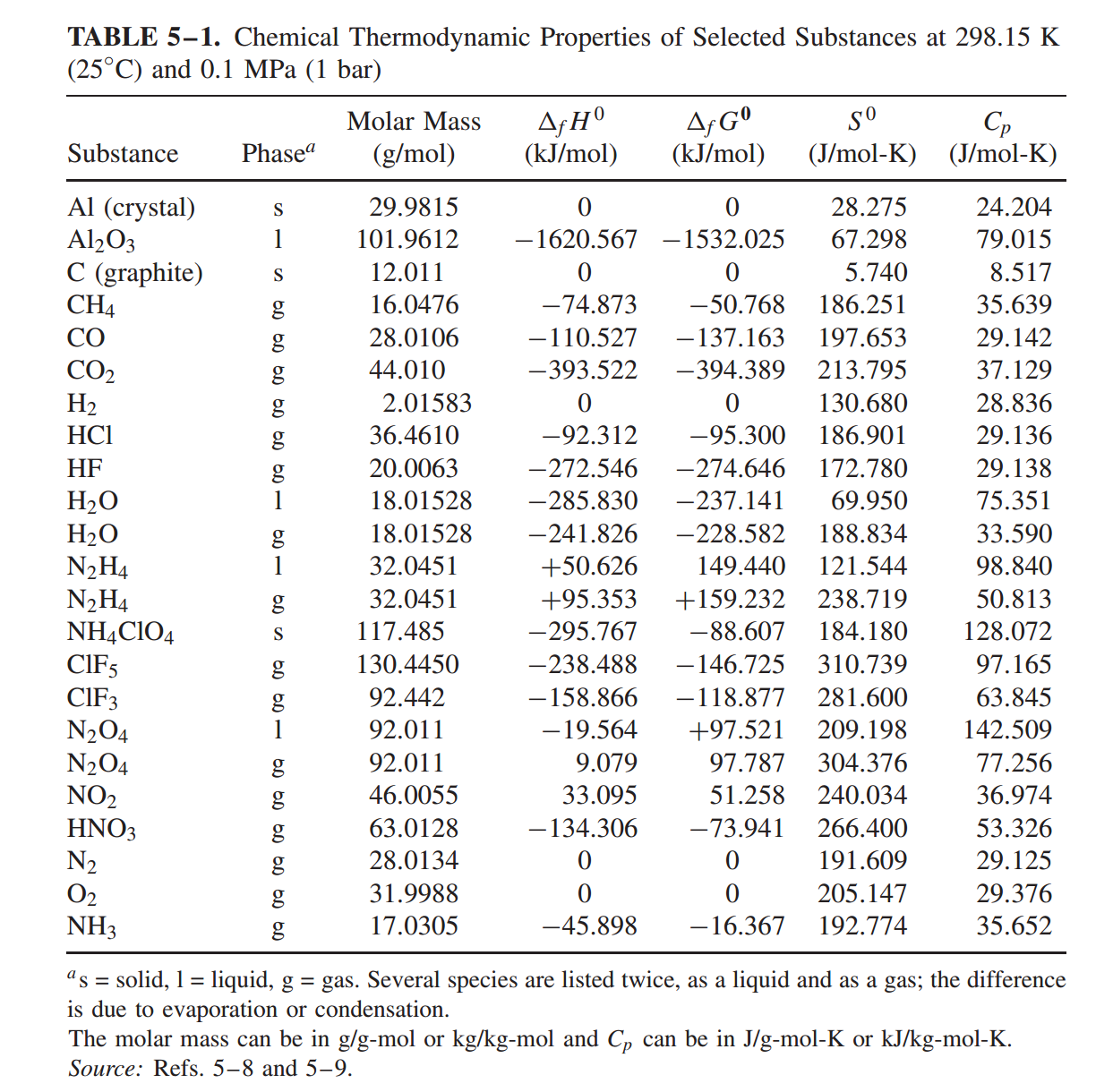
November 2, 2025
This update summarizes how we choose mixture ratio, thrust, and chamber pressure for a small GOX/ethanol engine. Mixture Ratio The mixture ratio is defined as $$r = \frac{\dot{m}_o}{\dot{m}_f}$$ In …
Read More
October 12, 2025
Major improvements to the Updates page. Improved the Home page title bar. Optimized font and layout on the Meetings page. Added support for Zapier bots. Improved questionnaire. Updated the homepage …
Read More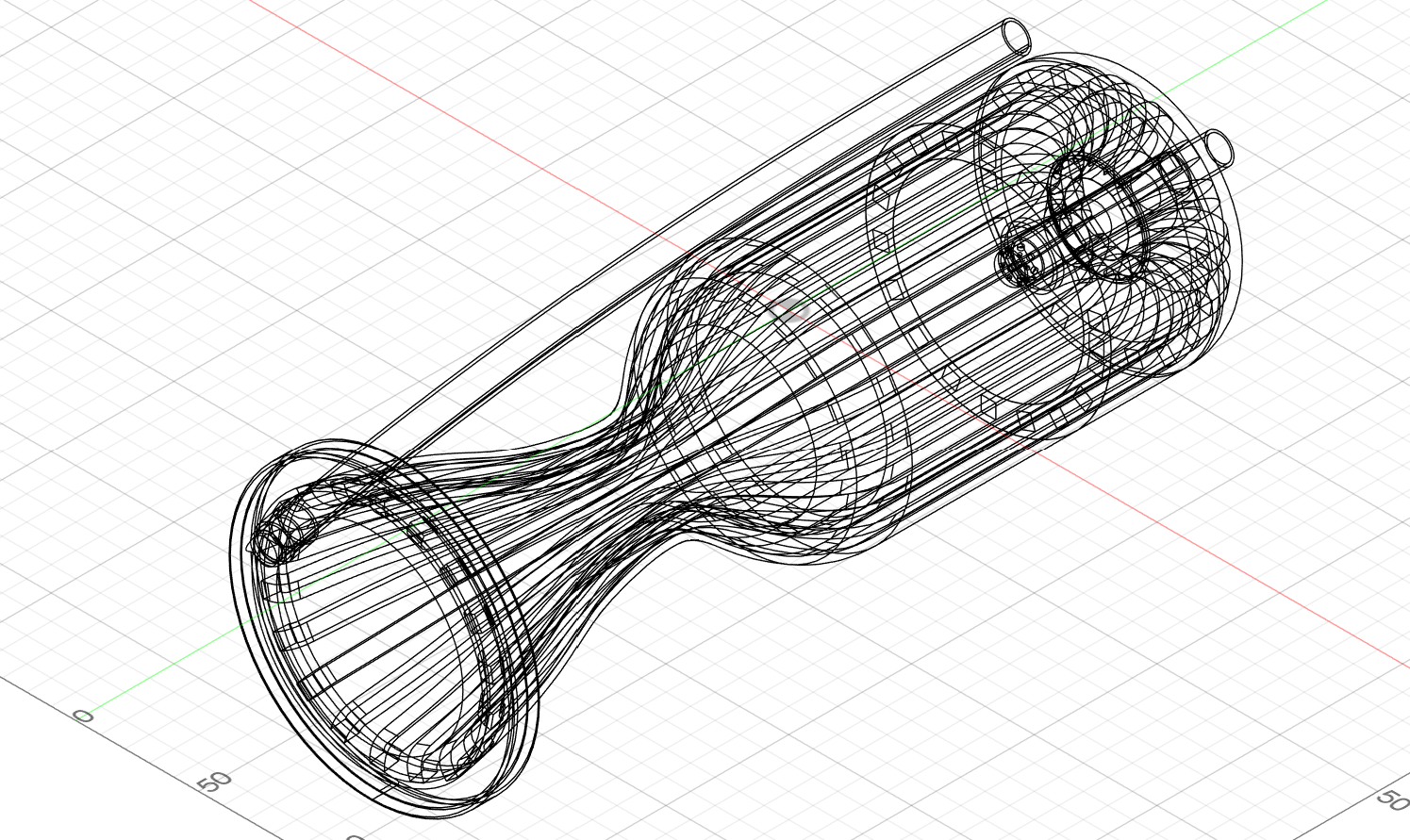
October 11, 2025
Engine Design After confirming the use of gaseous oxygen ethanol, regenerative cooling and pintle injectors, we decided to start the concept design. This step helps to visually demonstrate the general …
Read More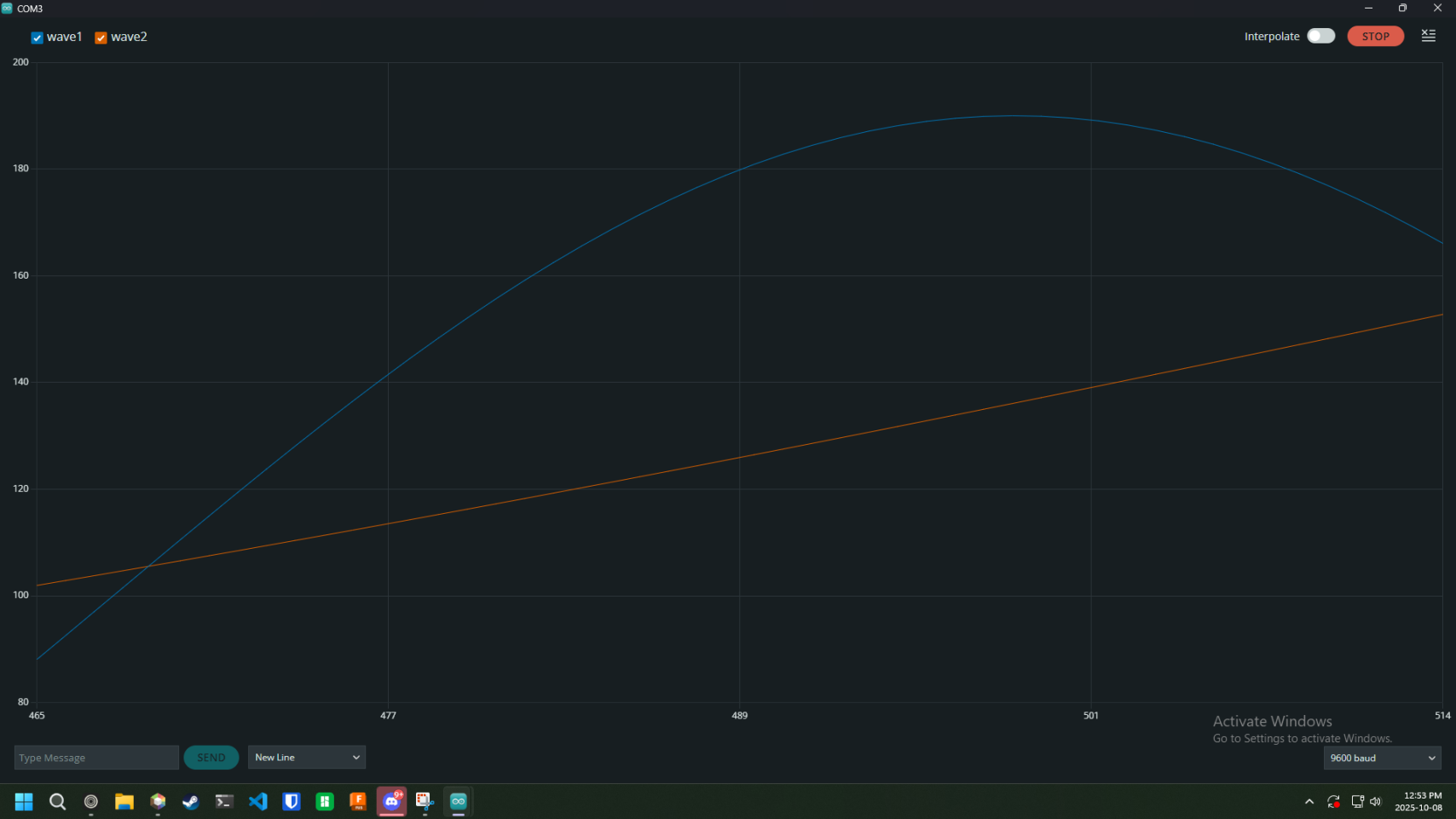
October 8, 2025
Software We need to collect data from testing to improve the engine. This data will include thrust, mass flow, temperature, pressure, and vibration. To ensure safety, all this data will be collected …
Read More
September 20, 2025
Private domain are now accessible: www.kelvinaero.org. A new Meetings page has been added to the website. Here you can find our current agenda and progress. The documentation platform is now open and …
Read More
September 12, 2025
We're excited to introduce our new Updates section! This is where we'll be sharing the latest news, announcements, and developments from our team.
Read More