Engineering is a practice-based discipline. We believe that the only way to turn design into reality is to truly attempt and solve real engineering problems.
We welcome you to join us.
JOIN THE TEAMKnowledge should be shared. All our resources are freely available to the community. This includes our documentation platform and analytics software.
We provide digital transcriptions of classic rocket propulsion textbooks, making knowledge accessible to everyone.


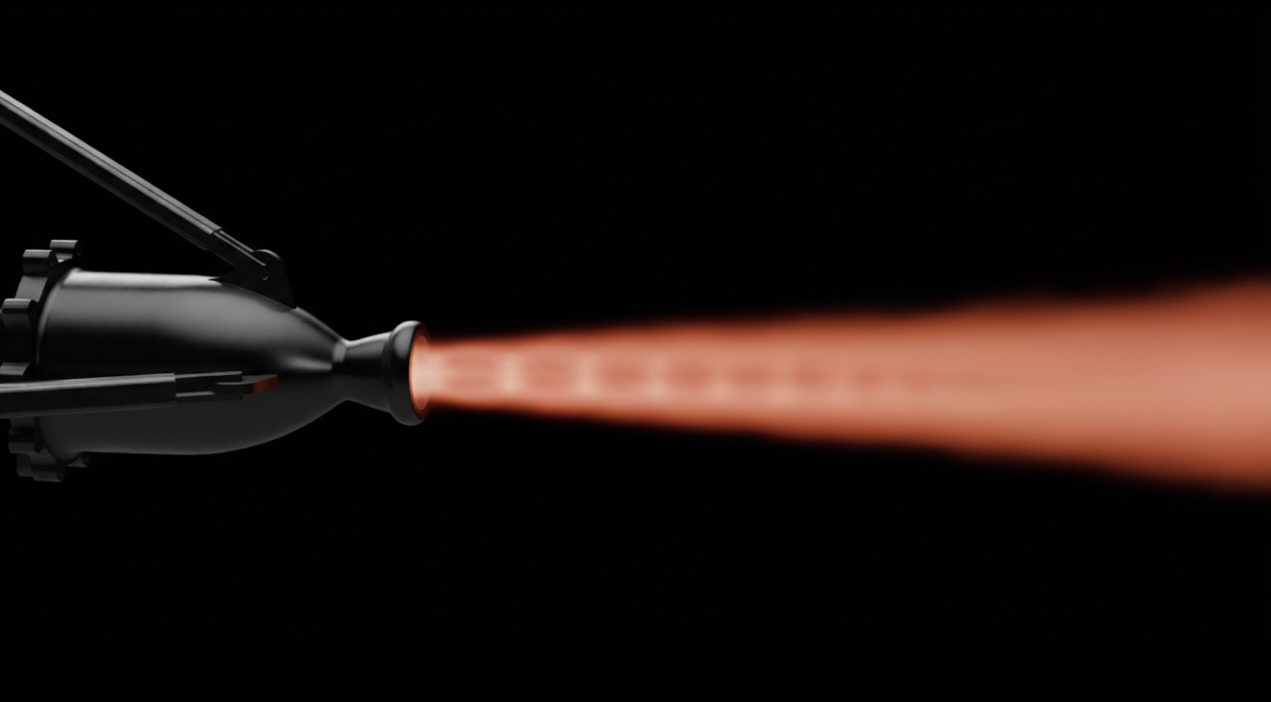
200N thrust engine using GOX/ethanol with regenerative cooling. Validating combustion, thermal management, and safe operation.
Thrust vector control, improved efficiency, movable pintle injector research. Complete 30-second stable burn.
Neural network-based hover control. Flight-capable propulsion system.
Since founding in September 2025, we established organizational infrastructure, completed thermochemical calculations and transient simulations, developed custom calculation software (KRA) ,and prototyped the full-size model. We transitioned from concept to detailed engineering and will soon complete manufacturing and static firing.
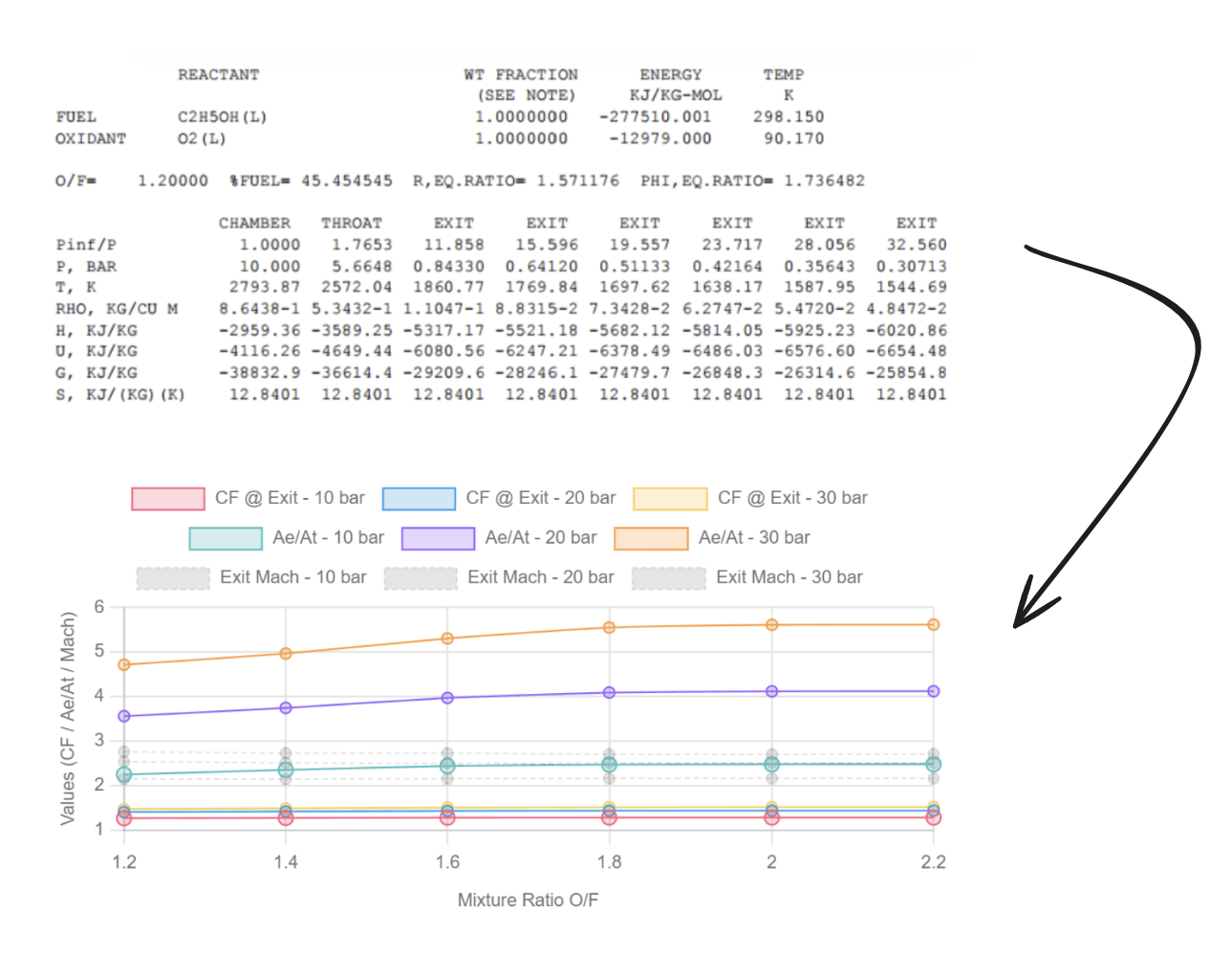
We systematically collect and analyze thermochemical data using NASA CEA (Chemical Equilibrium with Applications) to determine optimal combustion parameters. Our analysis covers chamber pressure, mixture ratios, temperature profiles, and specific impulse across operating conditions.
Using this data as input to KRA, cross-validate results with Rocket Propulsion Analysis (RPA) to ensure the accuracy of the calculation.
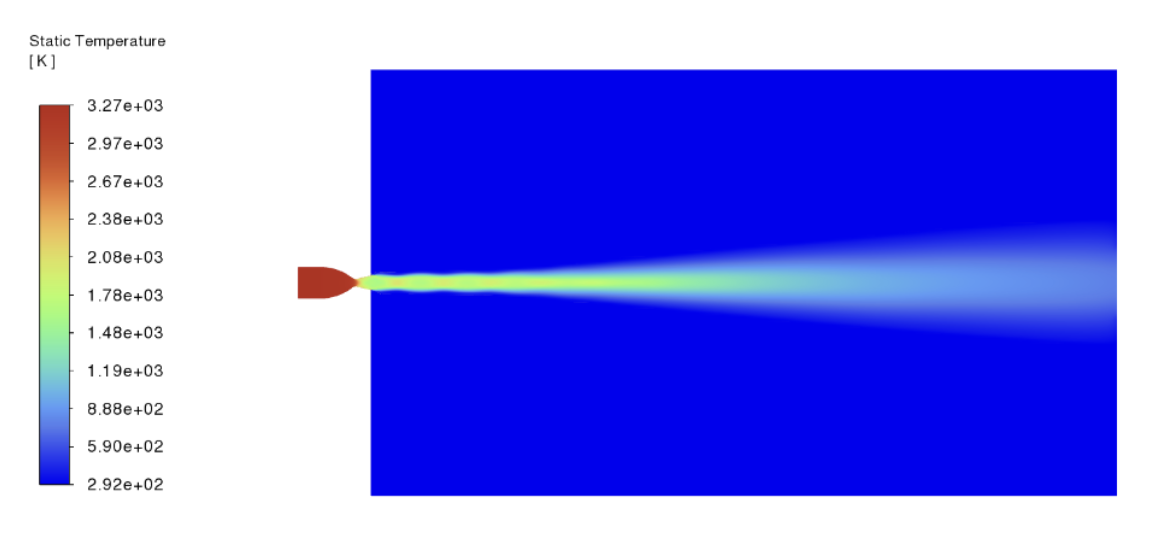
Before committing to hardware fabrication, we validate our designs through ANSYS transient simulations.This helps us understand the expected operating conditions of the engine in real-world scenarios.
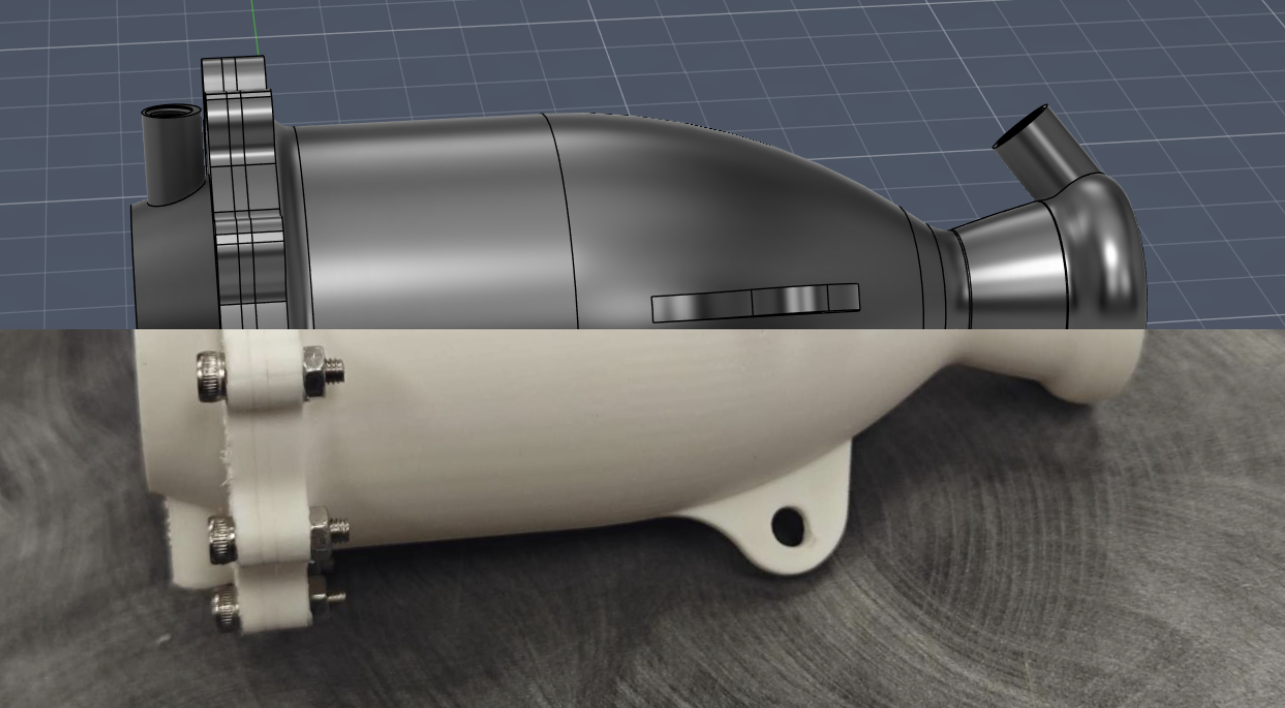
3D printing allows us to quickly create prototypes. We build minimum viable prototypes (MVP) to validate geometric feasibility, and research suitable manufacturing methods.
This iterative approach enables rapid design refinement based on physical feedback. They effectively demonstrate the design solutions to specific problems, and allows us to make comparisons and improvements.